Background
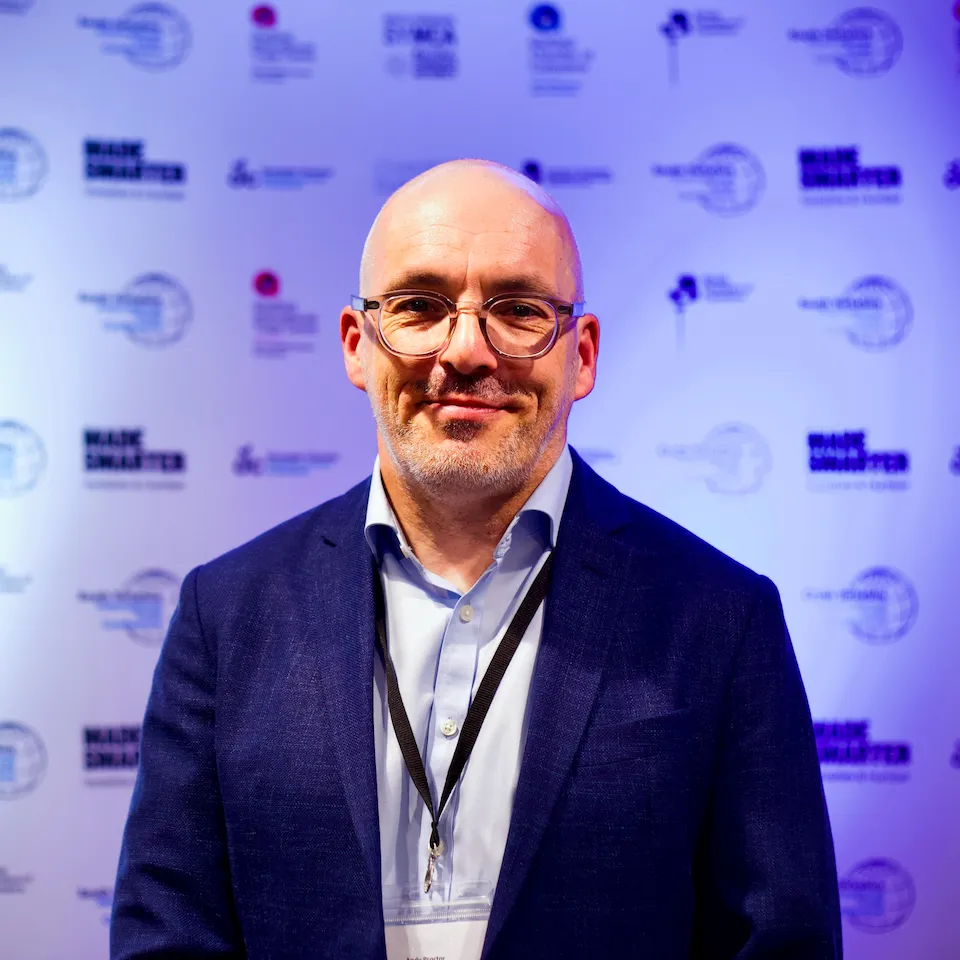
After three decades in the construction supply chain — including area management across twelve branches of a national electrical wholesaler — I moved into business development consulting as an Auditel Associate Partner.
The transition wasn't a departure from the sector. It was a way to help businesses and construction SMEs with challenges that were becoming harder to ignore: rising energy costs, procurement inefficiencies, and an increasingly complex carbon compliance landscape.
"Net Zero need NOT cost the Earth. Procurement savings across your supply chain can fund your entire carbon journey — making compliance a net positive, not a cost burden."
What I do differently
Most advisers in this space come from either the finance side (procurement and cost) or the sustainability side (carbon and ESG). Very few have both. Fewer still have hands-on experience of running a business in the construction supply chain.
As an Auditel Associate Partner, I have access to over 120 specialists across cost, energy and carbon — so you're not limited to what one person knows. You get a specialist network, delivered through a single point of contact who understands your world.
Auditel and how it works
Auditel is one of the UK's leading cost, procurement and carbon solutions organisations. As an Associate Partner, I deliver Auditel's full service portfolio to clients across electrical contracting, M&E, and construction — with the support of specialist colleagues where needed.
This means you get the depth of a large consultancy with the accessibility of a local specialist. One relationship, one point of accountability.
accreditations
Auditel Associate Partner
sectors served
Public sector supply chains
geography
I work with organisations of all sizes, and through the Auditel network I can support larger or multi-site clients wherever they operate.
auditel network
120+ specialist consultants delivering cost, energy and carbon services across the UK. Andy draws on this network to deliver specialist work.
CBAM is a carbon charge on goods imported into the UK. It starts on 1 January 2027, covers aluminium, cement, fertiliser, hydrogen, and iron and steel, and the importer pays it.